
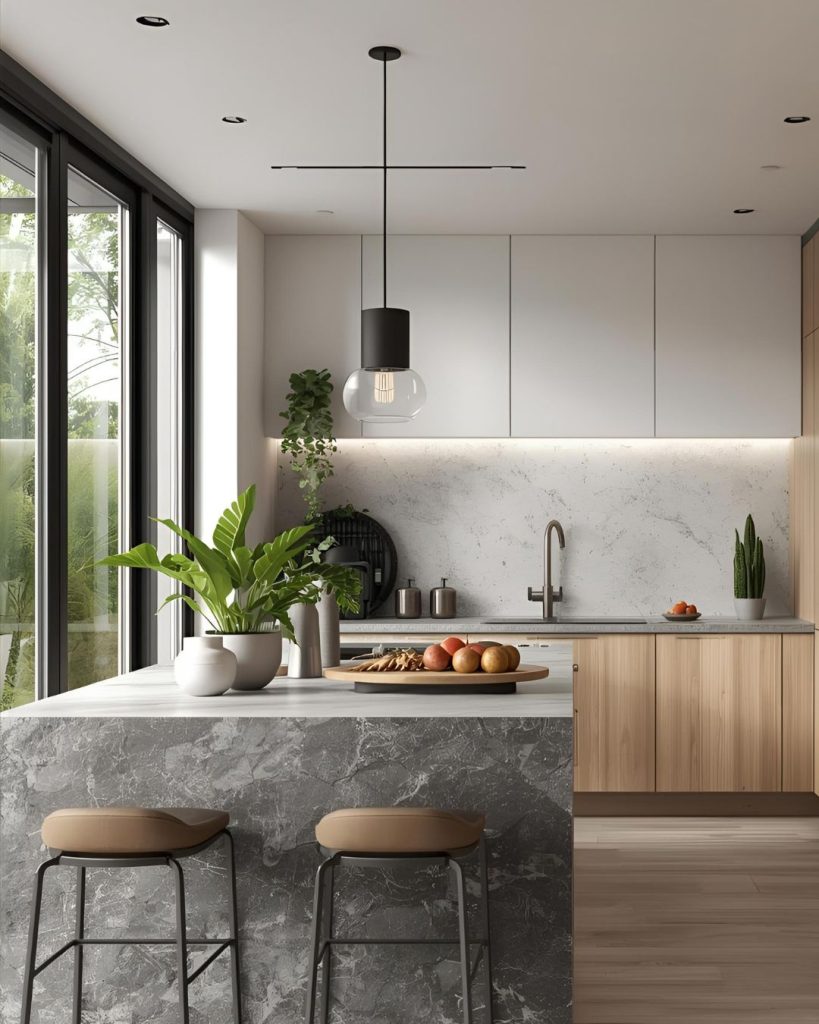
Planning Permission in Ipswich | A Homeowner’s Guide Before You Build
If you’re planning building work in Ipswich, understanding planning permission rules is one of the most important steps before starting any project. Whether you’re considering a house extension, loft conversion, garden room or major renovation, getting the planning stage right can prevent costly delays and complications later on.
With many homeowners across Ipswich choosing to improve rather than move, knowing when planning permission is required — and when it isn’t — is essential. This guide explains planning permission in Ipswich, how Permitted Development works, and what you need to consider before building in 2025.
Do You Always Need Planning Permission in Ipswich?
No — not all building work requires planning permission. Many common home improvements can be completed under Permitted Development (PD) rights, provided specific size, height and design limits are followed.
However, Ipswich has:
-
- A mix of older and newer housing
-
- Conservation areas
-
- Residential zones with tighter planning controls
Because of this, planning requirements can vary depending on your property type and location.
What Is Permitted Development?
Permitted Development allows homeowners to carry out certain types of work without applying for full planning permission, as long as national guidelines are met.
Projects that often fall under Permitted Development include:
-
- Single-storey rear extensions (within size limits)
-
- Certain loft conversions
-
- Garage conversions
-
- Internal alterations
-
- Garden rooms and outbuildings
Even where planning permission is not required, Building Regulations approval is still mandatory.
When Is Planning Permission Required in Ipswich?
You will usually need planning permission if your project involves:
1. Large or Double-Storey Extensions
Planning permission is commonly required for:
-
- Double-storey extensions
-
- Extensions that exceed Permitted Development limits
-
- Developments close to property boundaries
These projects are more likely to affect neighbours and the external appearance of the property.
2. Side or Front Extensions
Side extensions — particularly two-storey builds — often require planning permission due to their visual impact. Front extensions almost always need approval.
3. Properties in Conservation Areas
If your property is located in a conservation area:
-
- Permitted Development rights may be restricted
-
- Design and materials are more closely controlled
Always check local restrictions before finalising plans.
4. Listed Buildings
If your home is listed, you will need:
-
- Planning permission
-
- Listed Building Consent
This applies to most internal and external alterations.
5. Significant External Alterations
Planning permission may also be required for:
-
- Large dormer loft conversions
-
- Changes to roof shape
-
- External cladding or rendering
- Major alterations to windows or doors
Do Loft Conversions Need Planning Permission in Ipswich?
Many loft conversions fall under Permitted Development if:
-
- They stay within volume limits
-
- They do not extend beyond the front roof slope
-
- Materials match the existing property
Planning permission may be required for:
-
- Hip-to-gable conversions
-
- Large rear dormers
-
- Homes in conservation areas
Building Regulations approval is always required, regardless of planning permission.
Do Garden Rooms Need Planning Permission?
Most garden rooms do not require planning permission if:
-
- They are single-storey
-
- Height limits are respected
-
- They are not used as separate dwellings
-
- They do not cover more than 50% of the garden
Planning permission may be needed for larger structures or properties with restricted development rights.
Building Regulations vs Planning Permission
It’s important to understand the difference:
-
- Planning permission controls what you can build
-
- Building Regulations control how it is built
Building Regulations approval is required for:
-
- Structural work
-
- Foundations
-
- Insulation
-
- Fire safety
-
- Electrical and plumbing installations
Even if planning permission is not required, Building Control approval still applies.
How Long Does Planning Permission Take in Ipswich?
Typical planning timescales include:
-
- Householder planning applications: around 8 weeks
-
- More complex applications: up to 13 weeks
Delays can occur if:
-
- Plans need revision
-
- Additional information is requested
-
- Neighbour objections are raised
Proper preparation helps avoid unnecessary delays.
Common Planning Mistakes Homeowners Make
Some of the most common mistakes include:
-
- Assuming planning permission isn’t required
-
- Starting work before approval is granted
-
- Ignoring conservation area restrictions
-
- Submitting poor-quality drawings
-
- Not considering neighbour impact
These mistakes can lead to refused applications or enforcement action.
How a Local Ipswich Builder Can Help
An experienced local builder can:
-
- Advise whether planning permission is required
-
- Work with architects and planning consultants
-
- Ensure designs meet local planning policies
-
- Coordinate Building Control approval
-
- Help avoid costly delays and redesigns
Local knowledge is especially valuable when navigating Ipswich planning requirements.
Final Thoughts
Understanding planning permission in Ipswich before you build is essential for a smooth and successful project. While many home improvements fall under Permitted Development, larger extensions, loft conversions and external alterations often require approval.
Whether you’re planning a house extension, renovation or garden room, getting professional advice from a local builder early can save time, money and stress — and help ensure your project progresses without unnecessary setbacks.